Pruebas de banco de carga para generadores: garantizando la fiabilidad bajo presión
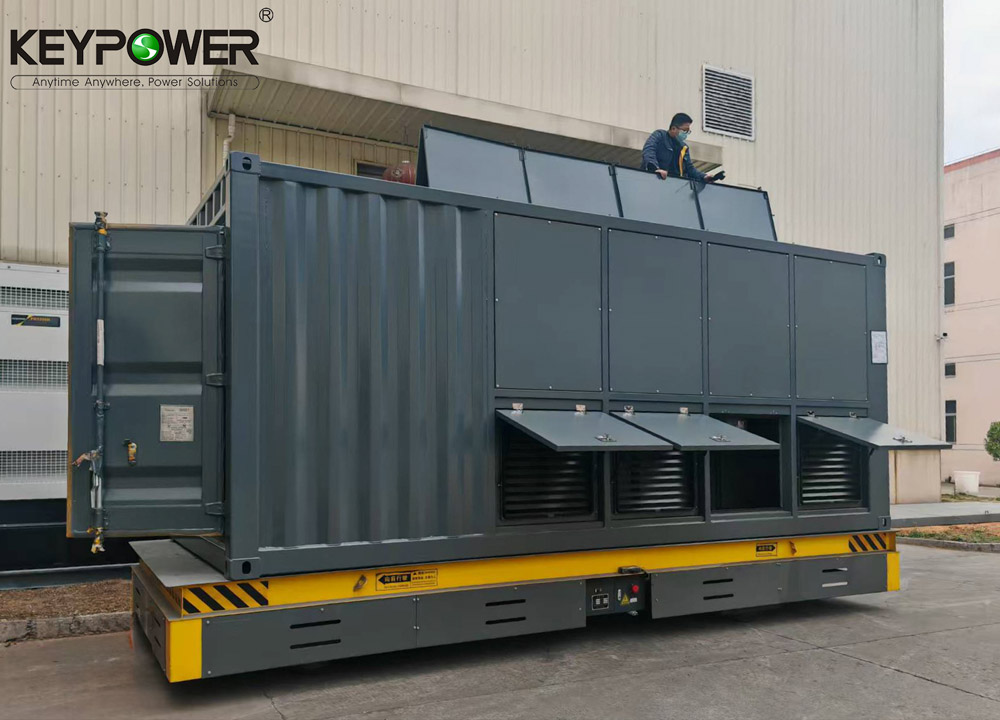
Los generadores son sistemas de respaldo vitales, pero ¿cómo saber que funcionarán cuando se necesiten? Las pruebas con banco de carga proporcionan la respuesta.
¿Por qué probar los generadores con bancos de carga?
1. Verificación de capacidad: Confirmar que el generador puede entregar su potencia nominal.
2. Análisis de calor y eficiencia: Evaluar el rendimiento bajo estrés térmico.
3. Prueba de respuesta: Medir los tiempos de arranque y el manejo de fluctuaciones de carga.
Proceso de prueba paso a paso
1. Preparación: Conectar el banco de carga a la salida del generador, establecer protocolos de seguridad.
2. Incremento de carga: Aumentar gradualmente la carga (25% → 50% → 75% → 100%).
3. Recopilación de datos: Supervisar la estabilidad del voltaje, el consumo de combustible y la temperatura.
4. Prueba de sobrecarga: Aplicar brevemente una carga del 110% para evaluar la resistencia ante emergencias.
5. Análisis del informe: Identificar debilidades (por ejemplo, una caída de voltaje > 3% es alarmante).
Problemas comunes detectados
Sobrecalentamiento del motor bajo carga.
Caída de voltaje debido a una mala configuración del AVR.
Consumo excesivo de combustible que indica ineficiencia.
Mejores prácticas
Programar pruebas trimestrales o según los estándares de la industria.
Usar bancos de carga certificados con monitoreo en tiempo real.
Realizar pruebas en condiciones ambientales que coincidan con escenarios del mundo real.
Ejemplo del mundo real
Los hospitales dependen de las pruebas con banco de carga para garantizar que los generadores puedan alimentar equipos que salvan vidas durante cortes de la red eléctrica, evitando emergencias médicas.
Conclusión
Las pruebas con banco de carga son una inversión preventiva: protegen vidas y empresas al garantizar que los generadores funcionen perfectamente cuando ocurren crisis.



 IPv6 red compatible
 español
 español
 English
 français
 Deutsch
 русский
 português
 Nederlands
 العربية
 Polski
 中文
中文